
Why does my dog eat things he shouldn’t?
By Dorothée Pâris • 24 July 2025
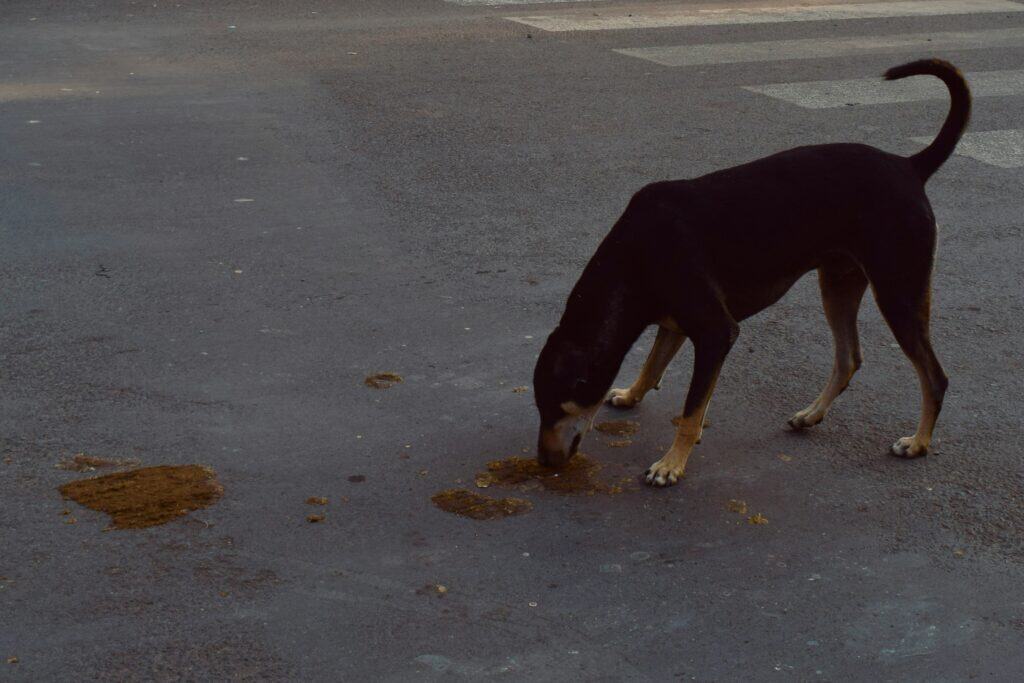
If you’ve ever caught your dog nibbling on grass, paper, or worse, feces, you’ve probably wondered why they do this. While it may seem strange (and sometimes disgusting!), there are several possible reasons for these unusual eating behaviors.
1. Instinctive behavior
Eating grass, for example, is a common behavior among dogs. Some do it to purge, others simply out of habit or pleasure. In the wild, canines supplement their diet with plants, which could explain this tendency.
Similarly, eating feces (coprophagia) may be a legacy of their ancestors. Female dogs naturally clean their puppies by ingesting their feces, and some dogs maintain this habit as they grow up.
2. A nutrition problem
A dog that eats paper, plastic, or other inedible materials may be suffering from nutritional deficiencies. Their diet may not be meeting all of their needs, prompting them to seek out other sources of nutrients, even if they are unsuitable.
Also, a dog that eats its feces may do so because, due to overly rapid or poorly adapted digestion, its stools still seem appetizing.
If your dog tends to ingest unusual objects, consult your veterinarian to check that his diet is well balanced.
3. Boredom or stress
A bored or anxious dog may develop compulsive behaviors, including the ingestion of non-food items. Chewing on paper, fabric, or even rocks can be a way to keep busy or relieve stress.
Increasing mental and physical stimulation, such as interactive play and exercise, can reduce these unwanted behaviors.
4. A medical disorder: pica
Pica is an eating disorder that causes a dog to compulsively eat inedible objects. It can be caused by digestive, metabolic, or neurological disorders.
If your dog frequently ingests objects, it is essential to consult a veterinarian to rule out any underlying medical causes.
5. A simple exploration of the world
In puppies, object ingestion can be a way to explore their environment. Just as human babies put objects in their mouths, young dogs test their surroundings by chewing everything they find. Training and appropriate alternatives (chew toys, treats) can help limit this behavior.
How to avoid these behaviors?
- Make sure your dog is receiving a balanced and appropriate diet.
- Enrich his environment with interactive toys and stimulating activities
- Redirect the behavior by drawing his attention elsewhere
- Avoid access to potentially dangerous objects
- Keep your dog on a leash when walking and pick up after him promptly.
- Use a basket muzzle
- Consult a veterinarian if the behavior becomes recurrent or worrisome.
You may also be interested in these articles:
Pet Dental Health
Preparing your pet for spring
Signs Your Pet Is Bored



Leave a Reply